

Careers Guidance
Careers education, information, advice and guidance is provided to all our young people.
At Edison Pace School, we are committed to preparing each young person for life beyond education. We have a dedicated careers lead on site who works with students to design career pathways, identify next steps and develop skills for the future.
We also ensure access to impartial career advice and have access to employers who can help young people consider their future options.
Careers Vision
Every young person will thrive and step into their future with confidence and hope. They will achieve aspirational next steps into adulthood and the world of work. We are the difference, and we provide young people with a brighter future.
Careers Contacts
- Careers Lead: Tracy Arrowsmith
- SLT Careers Lead (Secondary): G. Pickford
- SLT Careers Lead (Primary): Grace Kennerley
You can contact any of the above people on 01782 616660 or via email at: info@edisonpace.co.uk
- Careers Advisor: bought in service (providing independent advice and guidance to our young people).
Careers - Primary
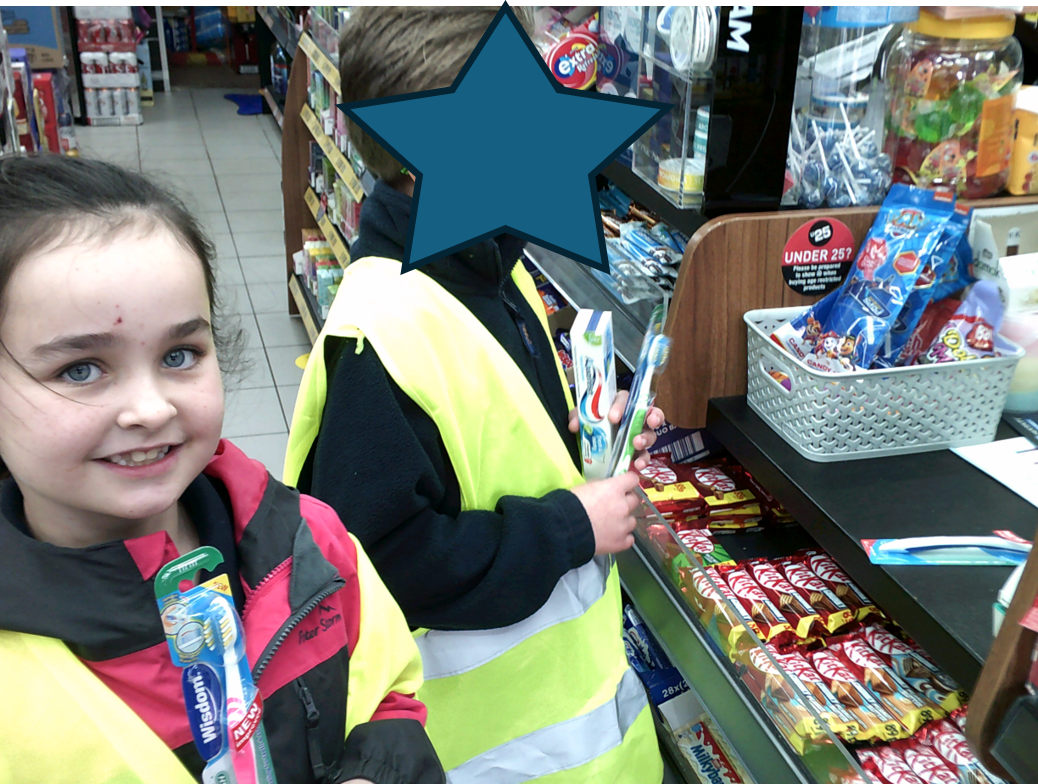 As part of our mission to provide young people with a brighter future, we provide early access to a wide range of careers information, including future jobs and further education.
We nurture the aspirations of our young people and challenge career stereotypes.
Through assemblies and Personal Tutor time, our young people access discussions and resources relating to different future job and career opportunities.
There are termly jobs advertised across the school, which our young people can apply for, sit an interview and then complete for a term if successfully appointed.
Careers - Secondary
The focus on careers and aspirational next steps continues at the secondary site through a comprehensive PSHE programme, life skills lessons and opportunities to engage with professionals. This can include, but is not exclusive to, attending careers fairs and having guest speakers on site.
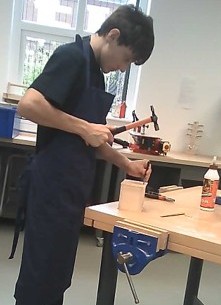 During Year 10 and 11 our young people are provided with opportunities to explore the next steps in their educational journey. This phase provides them with an insight into the varied options in Post 16 education as part of the careers curriculum. This includes visits to local colleges, careers fairs and work experience. Our young people can then make informed choices towards their options.
We consider the use of educational visits, education in the community, guest speakers and work experience, an essential element of our students' overall educational entitlement as part of a planned curriculum and individualised programme. These experiences enable our young people to learn, develop, practise and generalise their learning in realistic settings and other environments.
All Year 11 young people have a careers plan provided by the Independent Careers Advisor, with additional support provided by our careers lead and their dedicated key worker. This enables a bespoke transition programme for each young person on their journey into post-16 settings.
Gatsby Benchmarks
We are proud to follow the Gatsby Benchmarks as a school.
 The Gatsby Benchmarks are an evidence-based framework of eight guidelines that define what world-class careers guidance looks like for young people in England.
 - A stable careers programme: Schools should have a stable, well-defined, and embedded careers programme that is clear to students, parents, teachers, and governors.
- Learning from career and labour market information: Students and their parents should have access to quality information about future study options and labour market opportunities.
- Addressing the needs of each student: The careers program should be personalised to address the different needs of students at various stages.
- Linking curriculum learning to careers: Teachers should link what is being taught in the curriculum to potential careers.
- Encounters with employers and employees: Students should have opportunities to learn from employers about work and the skills needed in the workplace.
- Experiences of workplaces: Students should have first-hand experiences of the workplace, such as work visits or shadowing.
- Encounters with further and higher education: Students should understand the range of learning opportunities available to them beyond their current education.
- Personal guidance: Students should receive personal guidance from a qualified careers adviser to help them make informed decisions.